

How Artisan Products Preserve Culture and Tradition
In the era of automation, mass production, and quick fashion, crafted products are the strong representatives of the cultural identity and traditions
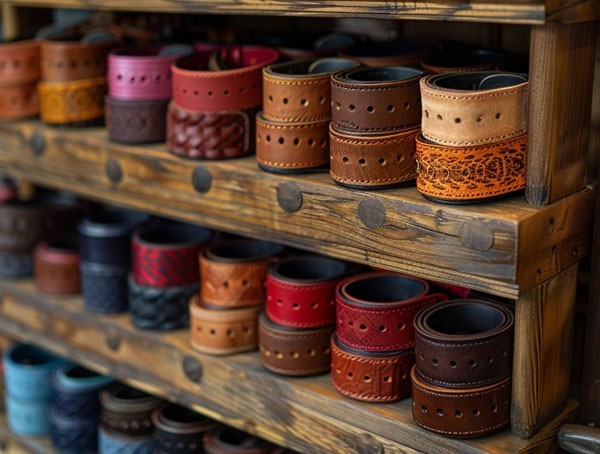
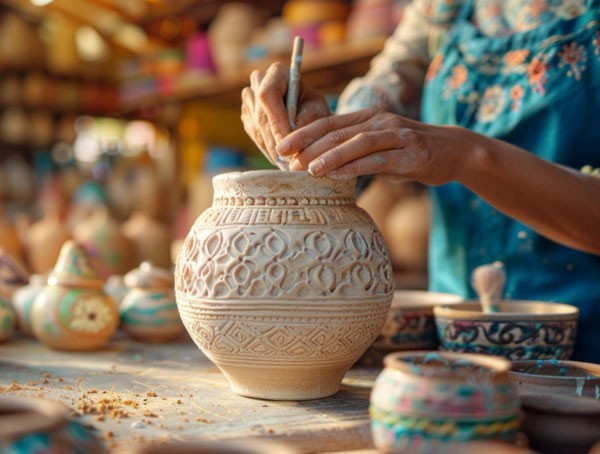
In the era of automation, mass production, and quick fashion, crafted products are the strong representatives of the cultural identity and traditions. These craft products branded with centuries-long tradition are textiles, pottery, jewelry, furniture, and food. Artisan products are not objects of either use or beauty but rather living relics of the past, community, and cultural tradition and continuity. Artisan craftsmanship is also very crucial in maintaining cultures in a fast-paced modern world by maintaining the ancient artisanship skills and upholding traditional arts.
The Cultural Significance of Artisan Craftsmanship
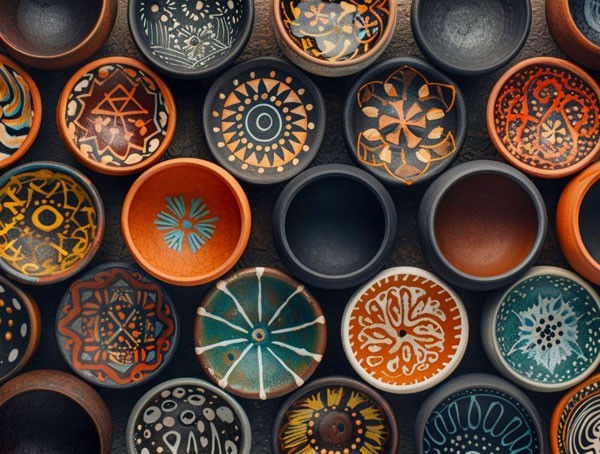
Artisan products are inherently based on cultures. A craft form usually has an origin in a certain area, influenced by geography, climate, material and social traditions. This could be in the form of weaving patterns, pottery patterns or metalwork designs and often these represent the beliefs of the people, traditions or events of the past. Such visual representations are cultural identifiers that would inform the coming generation on their origins. Artisan goods do not create a uniform look like the products made by mass production; it benefits the culture and regional identity.
Traditional Skills Passed Through Generations
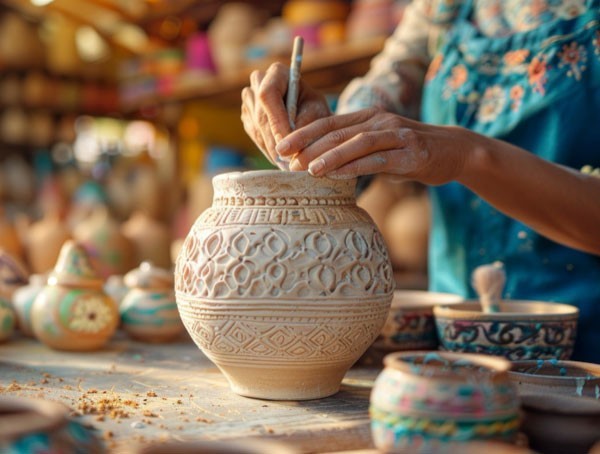
Artisan products are one of the best means by which tradition is kept because skills are passed on through generations. Lots of craftsmen are educated by their parents, grandparents or the elders of the community. These skills are not usually documented but transferred by working and telling stories. This type of transfering the generations retains the old methods and makes sure that knowledge of cultures is not lost. Artisan craftsmanship in a world where most of the old classic jobs will be lost will serve as a linkage between the past and future.
Use of Indigenous Materials and Methods
Craft products are often based on domestically found and native resources like natural fibers, clay, wood, metals, and dyes of plants. The procedures that are applied to these materials are usually ecologically friendly and culturally meaningful. An example of this is natural dye techniques or hand-carving, which can be seen to represent a close knowledge about the local surroundings. Using the same materials and techniques, the artisans have managed to still be in touch with their land and heritage, which reinforces cultural authenticity.
Storytelling Through Design and Symbolism
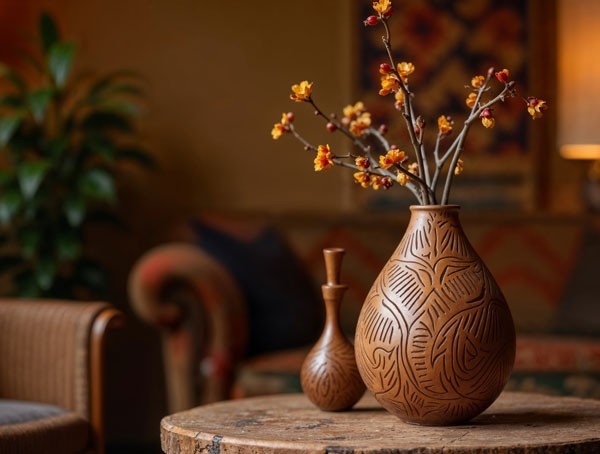
The story is in each artisan product. Patterns, colors, textures and shapes frequently have symbolic meanings which are attached to cultural beliefs, rituals or past experiences. A hand woven garment can mean fertility, wealth, or defense, whereas a carved pattern can be a symbol of spiritual ideals or family myths. These symbolic images make the mundane objects and tools into the cultural storytellers and give the traditions a chance to be articulated and kept in the form of the material objects.
Strengthening Community Identity
Handicrafts are very common in the life of a community. There are a good number of traditional crafts that relate to festivals, rituals or rites of passage. This is because the development and consumption of craft products in these festivals enhance social cohesion and community identity. Collaboration and responsibility are also encouraged as a craft cluster and an artisan community, which strengthens cultural unity. These communal practices are used as a way of keeping traditions alive, rather than dead.
Supporting Cultural Economies
The manufacture of traditional livelihoods and cultural economies is maintained by the demand of the artisan products. When buyers purchase hand manufactured products they provide an economic motivation to the artisans to keep on practicing their trade. This funding makes the young generation acquire the skills of the old instead of deserting them in favor of jobs in the city or industrialized places. Through this, cultural practices are financially viable and honorable.
Conclusion
In an ever-standardized world, artisan products have an important role to play in conserving culture and tradition. Their preservation of cultural heritage involves the use of generational knowledge, indigenous materials, symbolic design, and community involvement to make their culture current and alive. The selection of artisan products is not just a stunt of demand but a preservation of culture. Through our sponsorship, we contribute towards ensuring that traditions, stories and identities can continue to flourish even to the generations yet to come.
Comments
No comment at this time!
Leave your comment